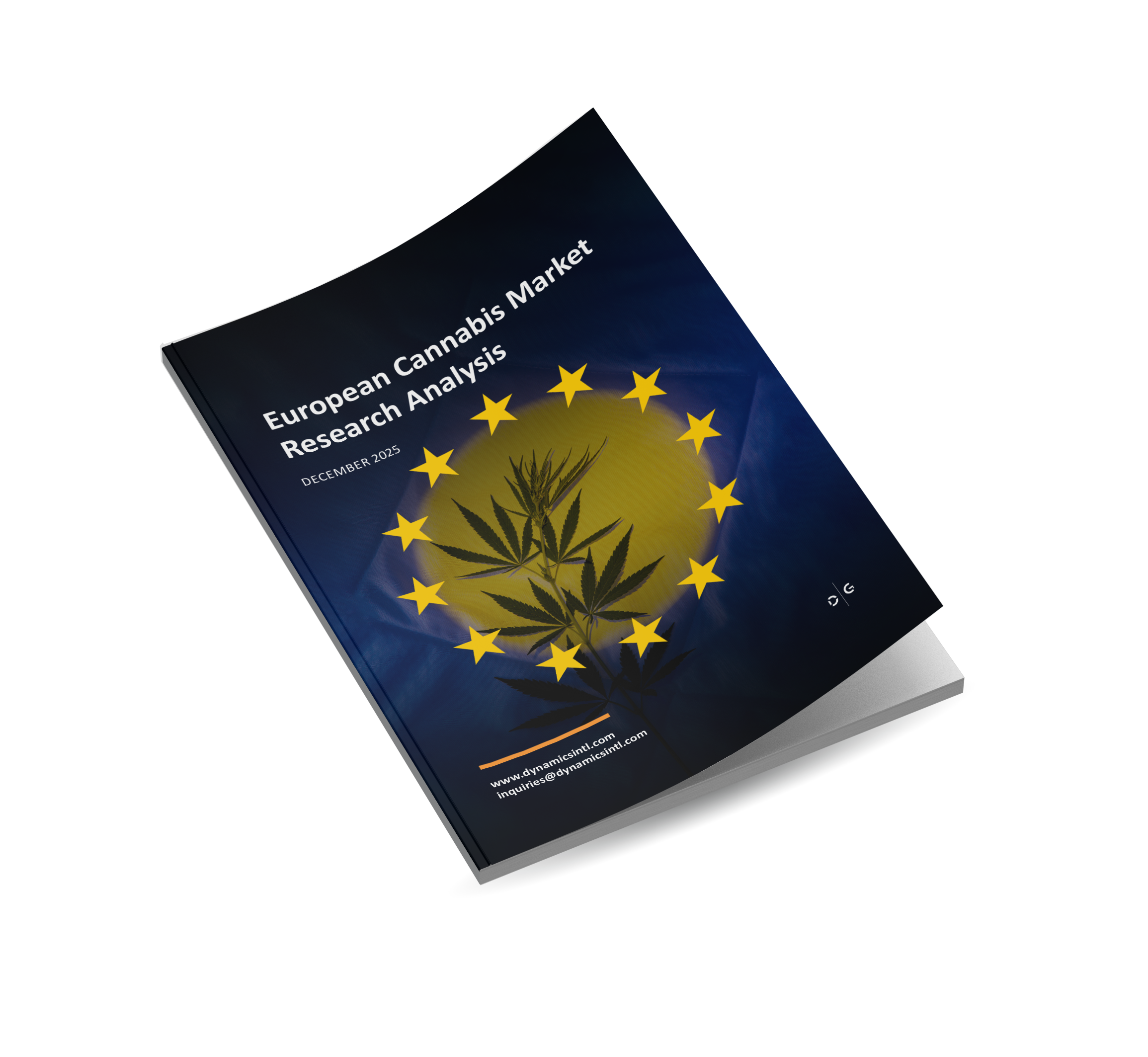

Listen to the article – European Cannabis Market Research
Introduction
Europe’s cannabis market has made significant progress within the last two decades with more countries adopting a positive and competitive stance in introducing cannabis on several commercial scales. Presently, Europe is considered to be the next expansion platform in terms of market growth following the US. The market in the most general terms remains in its nascent phase with promising prospects in terms of rapidly developing regulatory and legislative initiatives, accentuating industries, including the medical cannabis industry.
The largest national markets in terms of size, regulatory and legal cohesiveness are Germany and the UK, followed by Spain, Portugal and Italy. Substantial initiatives have been launched in France through clinical trials and pilot programs, as well as in countries such as the Netherlands, Switzerland and Slovenia. Portugal holds the capital position in terms of cultivation and production followed by Spain, Denmark, the Czech Republic and Poland. Promising market prospects were identified in several countries such as North Macedonia, which was discovered as one of the main prospects for production and development of the medical cannabis industry. Ukraine has also pushed for wider incorporation of cannabis on several commercial and industrial levels, however, the current state of war and the difficult licensing process in the country, make its national market more of a long – term investment rather than a short to mid – term investment prospect. Slovenia’s market was projected to achieve rapid growth on par with other national markets such as the Czech Republic and Poland which have focused on developing production and distribution capabilities. Malta and Luxembourg despite having small national markets represent the most promising investment opportunities since they have pioneered for the legalization of adult – use and recreational use of cannabis. Both countries also have harmonized legislative and regulatory standards with most of the countries in Europe, which significantly raises the market opportunities on every commercial scale from cultivation to production and distribution.
Despite the challenging regulations and legislative obstacles, Europe remains the most promising and interesting market which is expected to rapidly upscale its cannabis industry, devising industrial and commercial branches outside of its current focus on the medical cannabis industry.
Legislative Outlook on the Cannabis Marketspace in Europe
Legislative Outlook on the Cannabis Marketspace in Europe
Current state of the cannabis market legislation in Europe
The European cannabis market in its current form represents one of the main emerging markets for the industry with increased legalization and expansion of regulative requirements in several European countries contributing towards the development of favorable conditions in terms of market expansion and exponential growth.
Key factors which would improve cohesive regulation on cannabis in Europe are primarily focused on the establishment of consistent accounting standards, integrating concise tax planning, aligning governance and international capital expectations. Germany, the UK and Portugal are emphasized as primary markets for the rapid introduction of cannabis across several industries in terms of legislature. Germany focuses on complete integration, both legislatively and regulatory, while also upscaling the use of cannabis on a recreational level. The UK has marked a slow but steady progress in the introduction of cannabis for medical use, while Portugal has experienced a surging production and cultivation trend. The key focus for avoiding the US trend of short -term market surge and planning more towards longevity in the industry would be to establish robust financial structures that would complement a unified regulative and legislative framework to exploit the vast potential of the continent in the cannabis industry.[1] Germany maintains its position as a leader on the medical cannabis market valued at more than EUR 670 million in 2025 with projections to scale up to EUR 1.32 billion by 2029. Canada, Portugal, and Denmark are leading the supply chain cannabis industry with fully legalized and regulatory compliant distribution networks. Companies such as Tilray or Aphiria, Aurora and Demecan are expanding their capacities in Europe since the legislative framework is gradually shifting from a restricted tender system towards an open licensing framework. In Germany, the adult-use of cannabis is gaining momentum with more than 10 federal states applying for pilot projects to study the potential effects of a fully regulated cannabis market while more than 230 cannabis cultivation associations have been established under the Cannabis Control Bill (CanG). One of the leading industries in Germany is the medical cannabis industry where telehealth platforms are crucial in the development of the medical cannabis industry since they integrate the products under strict medical regulations with healthcare platforms that are pioneering progress in the life sciences industries through comprehensive digital technology platforms. In the UK, telehealth platforms have extensively developed in the past 5 years with companies such as Glass Pharms, Dalgety and Celadon significantly scaling operations.
Legal production is also starting to rise but imports remain the main source which opens the potential for other companies to assert themselves in the supply and distribution sectors in the UK. Poland, Denmark, and the Czech Republic have become major legal exporters in the industry with Poland’s market projected at EUR 72 million in 2025. Opposed to the integration of cannabis into the medical cannabis market, several reports and studies have strenuously contested the reintegration of the substance and the initiatives which support its complete decriminalization and legal use. According to the official European drug report for the 2025 published by the European Union Drugs Agency (EUDA), approximately 8.4% of the continent’s population or around 24 million people consumed cannabis in either recreational form or for medical use. The main problems identified by the report in terms of the legal and regulatory aspect of cannabis were regarding the addiction aspects of the substance as well as its connectedness with health problems and psychological consequences of developing behaviors that were mostly related to criminal activities. The second major problem was the prominent level of illicit trafficking and use of cannabis on a continental level where considerable amounts of seizures of copious amounts of cannabis were identified in countries such as Spain and Portugal. Concerns were also raised on the potential for integrating and legalizing illicit cannabis cultivation into law, expanding the cultivation and production volumes which were discovered to have been substantially high across Europe in 2025.
Pioneering countries in the decriminalization and legalization of cannabis on multiple fronts are countries such as Malta, Germany, Luxembourg, Switzerland, the Netherlands and the Czech Republic which have launched social initiatives to integrate the substance and legalize it in both personal and recreational use for adults and enhanced the introduction of cannabis within the use of the substance as a medical component for treatments in severe illnesses. The major conclusion of the EUDA report was that cannabis negatively impacted the young population in several EU members, creating addiction and causing individuals to admit themselves for treatment, which in turn poses a serious threat to the industrial market, where the main barriers were the regulatory conditions and the social impact of the substance.[2]
Download Report
European Cannabis Market Research
Europe’s cannabis market has made significant progress within the last two decades with more countries adopting a positive and competitive stance in introducing cannabis on several commercial scales.

Reiterating to the legalization of cannabis as a substance on the European continent, several countries have made admirable efforts to integrate cannabis on an industrial level, especially in the medical industry. According to the latest available data from Aug 2025, medical cannabis is legal in twenty-five countries in Europe, with an additional nine countries decriminalizing the use of cannabis for personal use and three countries having legalized the use of cannabis for recreational use in Europe. Six European countries have established a concrete legal and regulatory basis for issuing licenses for the cultivation and distribution of medical cannabis. The following six legislative and / or regulatory organizations are directly involved in supervising the legal incorporation of cannabis into the medical industry in various countries:
- Czech Agency for Medical Cannabis
- Danish Medicines Agency
- German Federal Institute for Drugs and Medical Devices
- Malta’s Medicine Authority
- Dutch Office of Medical Cannabis
- Portugal’s National Health Service
Before deciding on the medical use of cannabis products, several countries have initiated clinical trials to determine the concrete effects and the efficiency of cannabis in treating serious diseases and illnesses. France, Denmark, Germany, Hungary, Poland, Spain, Switzerland, and the UK have all been involved in launching clinical trials at some point, supported with progressive regulatory and legislative initiatives. The main overall business branch where cannabis is in its final stages of complete integration and legalization is the medical cannabis industry. Historically, the Netherlands has been the main market driver in Europe in terms of legalization, having legalized medical cannabis in 2003, where it has been available ever since as cannabis flower or oil products. Italy and the Czech Republic have legalized the use of medical cannabis in 2013 and were followed by Germany, Poland, and Greece in 2017. Other countries that have approved the use of medical cannabis in some form are Belgium, Croatia, Finland, the UK, Portugal, Switzerland, and North Macedonia. In Apr 2025, Denmark unified its legislative framework, while in Jul 2025, Slovenia also legalized medical cannabis, allowing cultivation and distribution to licensed pharmaceutical producers while also allowing doctors to prescribe medical cannabis for any condition where the substance was proven to have been effective in terms of treatment. Market projections on the Slovenian market dictate that its revenue outreach would achieve growth of up to EUR 55 million by 2029.[3] Spain has efficiently composed its regulative and legislative landscape in Oct 2025, where the Council of Ministers approved an initiative through a Royal decree proposed by the Spanish Health Ministry. According to the regulative, medical cannabis can be used through a standardized master formulas prescribed by specialist physicians in a hospital setting and can be prepared in authorized hospital pharmaceutical services. In France, clinical trials have been active since 2021 with an estimated date of completion sometime in 2026.
The conclusions from the clinical trials were that cannabis had ample positive effects on several medical conditions and should be made largely available for patients. The country is currently in a process of establishing an accurate legal framework for implementing cannabis – based products on the market for medical use.
Recreational use of Cannabis
In terms of recreational use of cannabis, Malta is one of the leading countries in the field, having legalized the adult – use of cannabis in Europe in Dec 2021. The country has also established a consistent legislative basis on several fronts in the cannabis industry with a resolute government authority supervising the entire market. In Malta, adult citizens are allowed to grow up to four plants and possess up to 7 grams of the substance per person. Malta has also an accurately regulated market for the establishment of cannabis social clubs.
Luxembourg decriminalized cannabis in 2001 while in Jun 2025, the country passed the 8033 Bill into law, allowing adults in the country to possess cannabis for recreational use, use cannabis at home and grow up to four plants per household.
Germany partially legalized cannabis for recreational use in 2024 by removing it from the list of prohibited substances. The implementation process of the substance on the market is in it nascent phase, with the establishment of cannabis social clubs for cultivation, and legalization of home cultivation and personal possession of cannabis for recreational purposes. Phase Two of the incorporation of the substance on the market is comprised of its introduction into a more regulated market, and it is still in the beginning stages of implementation. Germany, as the leading industrial force in Europe is considered a leader in the market in terms of promoting a favorable legislative and regulatory landscape for introducing cannabis on an industrial level in other parts of the continent, across several commercial branches.
The Czech Republic is another favorable market in terms of legislation, becoming the fourth country in Europe to have approved adult use of cannabis on a national level in Jul 2025, with the law expected to come into effect on Jan 01, 2026. The law stipulated that adults aged 21 and older can cultivate three cannabis plants in their private residence and possess up to 100 grams of dried cannabis flower at home or 25 grams in public.
The Netherlands and Switzerland have launched adult – use cannabis pilot programs in 2023 and 2022 respectively with extremely positive outlooks on the complete legalization.
Recreational cannabis is currently also decriminalized to a certain extent in Spain, Portugal, Italy, Belgium, Austria, Switzerland, Croatia, Estonia and Slovenia. Spain has emerged as the second largest market in terms of cultivation with several issues regarding the regulation of the cannabis social clubs in the country which currently operate in a gray legal area.[4]
Legalization across these countries has enabled some of them to become leaders in segregated parts of the industry. The Czech Republic has become one of the leading exporters, having exported more than 1.3 tons of cannabis mainly to Germany, while Denmark has also decided to make the 2018 pilot program permanent which enabled the country to export more than 7 tons of cannabis to Germany in the same year. Portugal represents the leading cultivation hub in Europe with more than 18 tons of exported cannabis for medical use in 2024, an increase of approximately 54% from 2023. Portugal’s cultivation capabilities, however, are hampered by heavy regulation regarding the licensing procedures for companies and the lack of public reimbursement for the development of the cannabis industry in the country. One of the key countries to keep an eye out would be Switzerland as the federal government has scheduled a vote for nationwide legalization in 2026 for the use of cannabis products in the medicinal industries following successful pilot projects during the last couple of years.[5] Germany’s legalization efforts have marked the most significant progress among EU countries, since the country legalized adult use cannabis in 2024, also allowing minimal production capacities and the establishment of social clubs which could reach to up to 500 members. Industrial production, however, is still not precisely regulated, which impedes larger development companies from establishing a firm market foothold in the country. Since the legalization of the substance in 2017, the country has established a well-positioned market for medical cannabis and is leading the charge in Europe in terms of cultivation, prescription, distribution and imports.
The Netherlands, known for its historical and traditional liberal stance on cannabis has allowed coffee shops to sell edibles and other cannabis-based products. The government has also launched initiatives to broaden the regulative landscape in terms of cultivation, since currently there are two officially approved companies for the cultivation of the substance. Pilot programs have been launched in 2023 for assessing the complete legalization for adult use of cannabis products.
Switzerland is also one of the developing countries on the cannabis market, having launched pilot programs in 2023 for adult – use legalization of the substance. Main issues for market development in the country remain active, such as the high costs of industrial real estate necessary to produce large – scale capacities as well as the tight legislation which stipulates that cannabis should be strictly regulated but not promoted, which in turn reduces the advertising and marketing departments of any potential newcomer to the market in the country.
Portugal remains at the forefront as a stable market for cultivation purposes, while legislative initiatives in the last couple of years have indicated that the country is willing and ready to approach full – scale legislation and regulation of cannabis. Its favorable climate allows companies to establish a firm business foothold that could represent a base element for cultivation purposes across the European cannabis market.
The Czech Republic is another attractive market that is currently still in its developing stages since the country decriminalized possession for personal use in 2010. Industrial scale production is still a hotly debated topic since the country has a lack of a structured marketspace for the development of the industry.
In France, cannabis remains highly unregulated despite the government’s efforts and introduction of initiatives that support the medical use of the substance. Pilot programs were launched in 2021 which have remained active, however, no concrete initiatives have been undertaken to fully incorporate and broaden the spectrum of the usage of the substance on the market.
In the UK, the National Health Service has tightly regulated and legislatively incorporated the use of cannabis for medical purposes, however, no substantiated initiatives were pushed for broader incorporation and legalization of cannabis in other industries. The UK, however, remains one of Europe’s top exporters of cannabis with a considerably developed infrastructure and capacities that could support the high demand in countries such as Germany.[6] [7]
How much is the market open towards foreign investment?
How much is the market open towards foreign investment?
According to a recent analysis by Forbes,[8] [9] which compiled strategic analysis reports by leading consultancy companies such as Prohibition Partners and Whitney Economics, the global cannabis market is expected to reach a value of $50 billion in the next decade with the European market marking a growth towards a value of $6 billion.
Malta and Luxembourg were identified as the key countries where the cannabis market growth is expected to reach significantly high revenue numbers. Leading companies that were identified to have launched concrete initiatives on the market were Curaleaf International, Cookies and Active. Curaleaf’s European company division is expanding its market presence in Europe with moves like the acquisition of UK – based Emmac Life Sciences, which enabled the company to mark a market growth of 72% in 2024 reaching almost $105 million in international revenue. Leading equity companies such as Artemis Growth Partners are also focusing their operations on the European cannabis market with committed investments in cannabis extraction companies such as Denmark’s Valcon. Malta’s key advantages are exhibited through the country’s consistent and specified regulations and legislative basis which allows companies to grow, manufacture and export cannabis across European borders, which represents a major limitation for other European markets and the US cannabis market. The Maltese market is almost fully EU – GMP (Good Manufacturing Practices) regulated with Government oversight and clear guidelines for non – profit cannabis associations and companies, which allows outside investors to avoid circumventing legal and regulatory grey zones. The only limitation is the market size in Malta, however, its compliance standards allow it to expand and grow exponentially over the next couple of years, making it one of the most significant emerging and upcoming markets in the cannabis industry in Europe.[10]
Poland and the Czech Republic have appeared as the largest markets in the CEE region with medical cannabis leading market growth. Switzerland and the Netherlands are hedging for the complete legalization of adult use of cannabis with their respective pilot programs. Switzerland is also reportedly considering a preliminary draft law that could completely legalize the adult use of cannabis in 2026. Spain and Portugal are the leading countries in cannabis production with both having significantly upscaled production in the last couple of years. Other significant countries on the production market are Denmark, the Netherlands and North Macedonia which are also strengthening their roles as suppliers on the medical cannabis market. The total projected value of cannabis demand in Europe is estimated at $42.9 billion under current market projections which are strongly dependent on existing legislative and regulatory initiatives as well as the introduction of recreational and adult – use cannabis market. Overall, the European market maintains a relatively open policy towards foreign investments and companies that are interested in expanding their market footprint in Europe. Europe, on a general level, however, is still a highly regulated market with significant initiatives to relax regulation and legislative requirements in the upcoming years. The market accessibility depends on the target of investment, in that aspect, Germany and the UK are more favorable for investments in the medical cannabis industry, Spain and Portugal would be a fertile investment ground for cultivation, distribution and production, while emerging markets such as Malta, Luxembourg, the Czech Republic and Poland would favor a more multi – layered approach as they would be favorable for wholesale investments with their rapid implementation of novel legislative and regulative requirements.
Legislative and Regulatory Favorable Markets for US Investors
Legislative and Regulatory Favorable Markets for US Investors
The European legal cannabis market was valued at $13.06 billion in 2025 and is projected to grow towards approximately $107 billion by 2035 with a CAGR (Compound Annual Growth Rate) of 23.47%. Comparatively, the medical cannabis market stood at $6.06 billion and was projected to reach $36.2 billion by 2033 at a CAGR of 21.97% from 2024 to 2033.[11] The growth rates are solely based on several leading factors such as the expanding legalization of cannabis across Europe, the increased acceptance of cannabis for medical therapies, rising prevalence in chronic illnesses such as cancer, neurological disorders and the expansion of research and clinical trial initiatives. The largest focus on the cannabis market in Europe is centralized around the medical cannabis industry with the fastest growth rates and the highest industrial coverage. Germany is the leading country in the medical cannabis market, followed by the UK, Italy and the Netherlands which have been experiencing rapid legalization and clinical upscales of the products. Countries in eastern and central Europe such as the Czech Republic and Poland represent emerging markets for the medical cannabis market due to the constantly evolving cannabis policies and the growing healthcare awareness. Companies in Europe are increasingly forming alliances with local producers, healthcare providers, and research institutions to increase their market presence and access new distribution channels. By forming business partnerships foreign investors can incorporate precise legislation and regulatory requirements more easily, through leveraging the local companies which have already harmonized their regulatory frameworks with the necessary requirements.[12]
Despite the massive surge in popularity and the elevated initiatives to introduce cannabis across several industrial branches, the European markets also face several challenges. Major challenges in the German market are the inconsistent legislature in terms of the complete introduction of cannabis into society as opposed to measured incorporation in various sectors. Germany still leads the way in cannabis legalization and represents Europe’s largest market to date. The UK on the other hand remains focused on the educational aspect of the substance and its integration into the medical and healthcare sectors. Spain and Portugal are faced with difficult choices ahead since in recent months a major connection between medical institutions and organized crime groups was discovered which in turn managed to dissuade investors in the swelling production markets in the countries. Spain restricted the use of cannabis purely on a medical basis and through specialist prescriptions which effectively limited the access to cannabis – based products. According to the latest information from Spain, the government has demonstrated that the country has successfully integrated the use of cannabis – based products into the healthcare industry, with specialized regulation regarding the medicinal cannabis dispensing program. The regulation is still contested as it limits the prescription capabilities of elementary physicians and allows only specialist doctors to prescribe cannabis – based medicine products. The regulation signifies that only cannabis – based oil products could be prescribed by specialist doctors and not products that include cannabis flower.[13] [14]
The sales component of the cannabis market in Europe is another driving factor towards the increased development of the industry on the continent. The cannabis sales market in Europe is expected to grow 400% in the next decade upscaling sales from $1.2 billion this year to $2.6 billion in 2028 and increasing to $6 billion in the next decade.[15] Approximately 28 countries on the continent have regulated the use of cannabis in some form which positions the EU market in an advantageous state for rapid development and significant progress in the next couple of years. The adult use of cannabis legislature is mainly developed in three countries across Europe, Germany, Malta, and Luxembourg. European legislation is different from the one in the US since there are no mass dispensaries but rather social clubs which promote the responsible use of cannabis. Malta legalized adult use of cannabis in 2021 where individuals could cultivate and grow up to four cannabis plants for personal use. Luxembourg legalized cannabis for personal use in 2023 where people can also grow up to four plants for personal use, however, public sales remained prohibited. Luxembourg also has a legalized medical cannabis market since 2018. Germany partially legalized personal use of cannabis products in 2024 and allows possession of up to 50 grams per person and growing up to four plants for personal use. In Germany, the government has prohibited the commercial sale of cannabis, however, it stipulated the establishment of social clubs and other non – profit organizations where individuals can purchase cannabis products. The medical marijuana market in Europe is one of the most developed industry branches in the cannabis market as many countries have established a comprehensive legal framework for incorporation of cannabis – based products in the medical industry. North American companies and potential investors in that aspect are faced with a trilateral investment dilemma. US companies could build a ground – up operations capacities in countries with favorable or promising legislative and regulatory landscapes, such as Switzerland, the Czech Republic, Poland, Luxembourg, Malta, Germany, Spain and Portugal, pursue partnership agreements with well – established multi – country operator companies, such Denmark, the Netherlands, UK, Spain and Portugal or acquire existing European companies that have established a stable business presence across the general market on the continent.
Market practices and trends within larger US companies that are intensively targeting the European cannabis market, such as Curaleaf, Tilray and Aurora, have demonstrated that a hybrid approach resulted in the most cost – effective strategy. These companies participate in large – scale acquisitions of cultivation and distribution companies which enables them to build and establish a firm market presence and brand recognition. Partnerships with well-established European cannabis companies which are savvy in navigating the fluctuating regulatory landscape have proven to be the best approach for the investment potential on the European market. The leading regulatory requirements would constitute an in depth understanding of packaging regulations, labeling requirements, child – resistance standards and especially cross – border trade restrictions. Comparatively, European packaging regulations are far stricter than American standards in terms of sustainability, recyclability and extended producer responsibility. US investment companies that manage these regulatory requirements and acquire standardized EU – GMP certification especially in the medical cannabis industry could easily and readily adapt to the European market. Another important aspect in terms of market accessibility is the supply chain segment of the cannabis industry. Companies which would focus on eco – friendly packaging solutions, recycling requirements and meet environmental goals as a priority over cost – effectiveness would dominate the market in the long – term.[16]
Cannabis Market Demand and Opportunities
Cannabis Market Demand and Opportunities
General analysis of the European market space in terms of supply and demand
The main demand drivers on the global market, where the US, Canada and some countries in Europe are leading the way were the increase of awareness of the potential impacts from the substance, especially compounds such as cannabidiol (CBD) or tetrahydrocannabinol (THC), major developments in the introduction of cannabis based products in the medicinal and pharmaceutical industries as well as the larger socio – economic benefits of crippling the illicit drug trafficking networks and achieving economic benefits on a national level. Industries such as pharmaceuticals, wellness, cosmetics, food and beverages were experiencing a surge in demand in 2025 of cannabis-based products.
Major challenges for the expansion of legal cannabis businesses in Europe are the constantly fluctuating regulatory requirements which vary from one country to another, the ever-present negative stigma that has prevalence over the public narrative in countries where the political administration leans towards more a conservative culture and the consistent competition between the legal and the illicit cannabis market. One of the final factors that could hinder the expansion of the cannabis market in Europe is the high taxation and compliance costs which are related to legal cannabis production. These costs could considerably impact the small and medium – sized enterprises looking to enter the market. Global growth and demand are currently mostly impacted by the rising legalization efforts across the globe, especially in Europe, where countries are defeating the generally skeptical and negative perception regarding the inclusion of cannabis within several industries as well as its use for recreational purposes.[17] One of the largest market opportunities for the cannabis market in terms of supply and demand in Europe is the medical cannabis industry.
Germany and the UK have the largest medical cannabis market in the current business landscape on the continent with projections for a significant increase between 2025 and 2028. The Talman Group, one of the leading cannabis companies in Europe predicts a rapid growth in demand for the substance and the gradual relaxation of strict regulatory requirements for companies entering the European emerging market. The UK is expected to become a major market for the cultivation of cannabis with projected revenue rising to $827.8 million by 2030. The general cannabis market in the UK, however, is still in its inception phases and regulative and legislative requirements are constantly fluctuating, which considerably impacts the supply and demand flows of the industry.[18] Major market developments in recent years were spearheaded by countries such as Malta, Germany, Luxembourg, the Czech Republic, Poland, Switzerland, Portugal and Spain where several industrial branches of the cannabis industry have experienced significant upscaling. In terms of demand and supply, the primarily developed market for investment now would be the medical and pharmaceutical cannabis industry. More companies that are based in Europe are focusing their investment efforts towards developing research facilities which would forward the main benefits of the integration of cannabis products in sectors such as healthcare, pharmaceuticals, cosmetics, and other supplements. Adult – use legalization and regulation is a more complex issue and would require longer periods for assessing the effects and the potential consequences on the wider social dimensions in different countries. The recreational and adult – use cannabis market remains one of the wider untapped markets that could be unlocked potentially in the next decade in progressing countries such as Malta, the Netherlands, Luxembourg, and Germany.
Largest market coverage by country?
Largest market coverage by country?
In terms of the largest market presence in the cannabis industry in Europe, Germany remains at the forefront of the market’s expansion, followed by the UK. Spain, Denmark, Slovenia, and Ukraine are reportedly in the latter stages of implementing the necessary legislation to introduce cannabis – based products into several industries such as healthcare and wellness.
Denmark, which has previously introduced a pilot program for medical cannabis is moving towards introducing concrete legislative guidance for companies and comprehensively approving the use of cannabis in the medical industry. Spain’s initiatives are also centralized around the public healthcare sector, where the government aims to integrate the use of cannabis for treating severe diseases such as multiple sclerosis, epilepsy, and other severe illnesses. Slovenia is aiming to become a major manufacturing hub for Europe since a major referendum was held in 2024 where the public voted in favor of introducing cannabis for medical use. The government has ever since pushed legislative initiatives to establish a broad-spectrum regulatory framework which would structurally integrate the use of cannabis for medical use and especially increase its production capacities. Ukraine was also one of the countries to mark significant progress during 2024, when its government voted in favor of introducing cannabis for medical use focusing on treating soldiers with PTSD, chronic pain and other serious conditions. On top of pushing for legalization, Ukraine has also introduced a licensing system for production and quality control of cannabis for medical use. The latest updates from Ukraine state that the government has issued initial licenses for the distribution of medical cannabis, however, the operational procedures in terms of supply, delivery and access to the products are moving painfully slow due to the lack of concise regulation and the fact that the country is still at war with Russia.[19]
The Danish medical trial for cannabis use was initiated in 2018 when the Dutch company Bedrocan initially invested in the sector. Nowadays, Denmark represents one of the leading countries in Europe for the use of cannabis in the medical industries accentuating the production of cannabis – based medicine. Key drivers for the pioneering approach the country has adopted are its open policies regarding regulation. Denmark does not limit the number of cultivators nor production volumes for producers which makes it a primary investment location for companies looking to invest into a segmented part of the industry, such as production.[20]
The Czech Republic has become substantially attractive for companies looking to invest into the medical cannabis industry. The country has flirted between partial decriminalization of cannabis, medical access expansion, and the economic potential from developing the full spectrum industry. Full legalization of cannabis remains a distant prospect, however, the ongoing legislative and regulatory reforms position the Czech Republic in a primary position as a leading country in the cannabis industry in the upcoming years. The government has most recently partially decriminalized possession and cultivation of cannabis with individuals allowed to possess up to 50 grams of cannabis outdoors and 25 grams of cannabis indoors. According to a study by the Prague University the legal cannabis market in the Czech Republic has the potential of reaching staggering figures that could surpass the EUR 218 million initial threshold through taxation of the production industry branch and the increased economic activity in the sector. With the medical access expanding, the CBD sector marking substantial growth and the ongoing decriminalization efforts of the cannabis market in the country, the Czech Republic cannabis market is in its most potent phase to date. Regardless of the political obstacles in terms of a more right – leaning government with conservative views regarding cannabis, the country is expected to experience rapid growth in the upcoming years in the industry and become one of the major players on the continent. The potential of the Czech cannabis industry would be personified through the next couple of years, which are expected to determine the level of growth on the cannabis market on a national level.[21]
Europe’s ever revolving regulative landscape has prompted some countries to introduce cannabis across the food, cosmetics and vape industries while others have opted for a more cautious approach since they have maintained a restrictive interpretation of the laws and regulations. Central to the strict interpretation of EU’s regulative requirements is the EU Novel Food Regulation framework which in essence prohibits any use of cannabis – based products with even the slightest traces of THC. Below is a country specific analysis of the tolerance by the governments regarding the use of CBD products that contain traces of THC which in return draws a concise picture of the country-by-country market coverage in the cannabis industry:
- Ireland has opted for low tolerance on such products, and the congestion of CBD is regulated by the Food Safety Authority of Ireland which stipulates that a company must first obtain a Novel Food authorization. Several court cases have been dismissed regarding the introduction of cannabis-based products in the food industry.
- The United Kingdom is highly tolerant towards the use of CBD despite the inconclusive regulatory landscape of the country. The Food Standards Agency (FSA) is yet to issue any legislative or regulatory approvals for companies which have applied to obtain the Novel Food certification.
- Portugal’s market remains highly unregulated, and the government and legislative bodies maintain a low tolerance towards CBD products being introduced, despite the country being one of Europe’s main producers. Authorities in Portugal make no clear distinction between hemp – derived and cannabis – derived CBD products.
- Spain’s governmental and legislative tolerance is medium with the grey market areas maintaining an active presence and being consistently targeted by authorities for surpassing the unclear THC threshold. The cosmetic industry sector is officially recognized and sufficiently regulated by the government and subsequent authorities.
- In France, the regulatory landscape remains strict since both the ANSM (medicine agency) and the ANSES (food authority) have linked the use and implementation of CBD products to be harmful to human health related to fertility problems.
- Belgium has made substantial progress on establishing a comprehensive regulatory framework with regulating CBD flower cigarettes below 0.2% THC in 2019 while CBD oils and cosmetics products are widely available.
- Luxembourg is one of the countries with the highest tolerances for the use and implementation of CBD within the industries. CBD and hemp products that contain up to 1% of THC are permitted with precise regulation and taxation policies. Cosmetics are also legal, however, foods and ingestible products that are CBD – based remain prohibited under the Novel Food restrictions.
- The Netherlands is one of the most progressive countries in terms of tolerance regarding CBD products which contain higher levels of THC. The country has prohibited CBD extraction but allowed hemp cultivation. Products containing 0.05% of THC in the CBD industry could be obtained in retail, pharmacies, and online outlets.
- Switzerland is also one of the countries with the highest tolerance of THC in CBD products and allows up to 1% of THC in CBD products such as flowers, vapes, oils, cosmetics, which are regulated by the Federal Office of Public Health and the Federal Food Safety and Veterinary Office.
- Italy is one of the countries with the lowest tolerance for THC in CBD products, due to retracting legislature which further complicates the development of the cannabis industry in the country. In Apr 2025, the government prohibited the use of all hemp flowers, labeling it as highly narcotic. The decree if enacted could criminalize thousands of cannabis businesses while legal challenges are also expected to resonate throughout Italy’s cannabis industry across the EU.
- Germany, as the pioneering legislative and regulatory market in Europe has a medium tolerance towards products containing THC. The legislative framework remains complicated due to political uncertainty with the government continuing seizures and prosecutions while farmers and independent growers campaign for reforms.
- Denmark’s tolerance for products containing THC is medium with CBD cosmetics being legal but ingestible products are classified as medicines. The flower and raisin CBDs are sold as aromatherapy or collectibles to bypass restrictions.
- Austria has a well-established CBD market which is legislatively and regulatorily supported through a court ruling from Jan 2025 classifying hemp flower under 0.3% THC to be taxable in the same manner as tobacco products. Oils and cosmetics on CBD basis remain widely sold.
- Slovenia, despite making significant strides in the cannabis industry has a low tolerance for CBD products containing THC. Synthetic CBD products are approved in the cosmetics industry while plant derived CBD products remain prohibited.
- Malta has widely allowed CBD products such as oils, cosmetics, and other supplements however, it prohibits CBD flowers, despite the pioneering approach towards wholesale legalization and adult -use approvals.
- The Czech Republic is one of the leading countries in the CBD and alternative cannabinoid regulation. The government, according to the Psychomodulatory Substances Act (effective from Jul 2025), regulated the retail for CBD and allowed low level of THC products. The retailers in the country are obliged to comply with adult – only sales and product – quality verification.
- Poland introduces a mediative approach towards CBD. Flower retailers continue to be prohibited while CBD oils remain widely tolerated.
- Slovakia has adopted a more conservative approach, allowing only synthetic CBD in cosmetics while plant – derived CBD in food or supplements remained unauthorized.
- Hungary, much like Slovakia, has also adopted a conservative approach in introducing THC in CBD products. CBD cosmetics are legal, however, flowers and oils branded not for consumption remain under scrutiny from authorities.
- Croatia has approached the issue with a more market open mindedness which has been emphasized through the country’s broad allowance of CBD products. Flowers, oils, resins, vapes, cosmetics and other supplements are widely available.
- Romania has a medium tolerance towards CBD products where THC – free CBD products are legal. Oils, vapes and cosmetics containing CBD are available in pharmacies and beauty stores.
- Bulgaria has adopted a medium tolerance towards CBD products containing THC. Only CBD derived from industrial hemp which contains less than 0.2% of THC is legal. Food, oil and cosmetic CBD products are widely available and distributed.
- Greece has approached the market by allowing low – THC CBD flower and oil products to be sold. These products are subjected to tobacco tax of 34% while their sale is only allowed in licensed outlets. Greece has a similar legislative framework as Austria.
- North Macedonia has adopted a medium THC tolerance, allowing CBD extracts such as oils which contain THC under 0.2% to be sold as over the counter medicine in pharmacies.
- Cyprus has a highly regulated THC market, classifying CBD as a medicinal product which requires market authorization.
- Lithuania has a low tolerance towards CBD products containing THC. CBD in food is restricted under the Novel Food Act while cosmetic sales are operating in a legal grey zone. Smoking CBD products with THC is illegal.
- Latvia has a medium tolerance towards THC products. Oils, supplements, and flowers are sold informally, while THC – free CBD cosmetics are officially permitted.
- Estonia has adopted a medium tolerance level for products containing THC. CBD vapes, flowers and cosmetics are sold legally, however, food supplements require Novel Food act approval. E – cigarettes may contain less than 0.2% of THC under the country’s Tobacco Act regulations.
- Finland also has a low tolerance for THC containing products. CBD ingestibles are banned and only skincare and other types of cosmetics are allowed. CBD in e – cigarettes is forbidden.
- Sweden, much like its other Scandinavian neighbors has a low tolerance for products containing THC. All CBD products containing THC are labeled as narcotic while CBD ingestibles are regulated under the Novel Food Act.
- Norway also has alow tolerance for products containing THC. CBD, which is naturally derived, is classified as narcotic while only synthetic CBD is permitted for cosmetic use. [22]
Conclusively, the largest European cannabis market under the current conditions is the German cannabis market which also drives industrial progress in terms of legislative and regulative initiatives. The UK represents the second largest market, followed by other countries that excel in separate parts of the industry. Spain and Portugal are leaders in cultivation, production and distribution, while emerging markets such as Malta, Luxembourg, Poland, the Czech Republic, Denmark and the Netherlands represent positive prospects for market development and future investment opportunities.
Competitive Landscape on the European cannabis market
Competitive Landscape on the European cannabis market
Short profile of the top EU cannabis companies:
The following is a list of key market players across several countries in Europe: [23] [24]
Somai Pharmaceuticals Ltd. is a Portuguese company specializing in the biotech industry. The company is heavily invested in the medical use of cannabis through extensive research and development efforts as well as an innovative approach towards incorporating cannabis as the leading substance in the medical and healthcare industries.[25]
Weeco Pharma GmbH is a multinational medical cannabis company headquartered in Germany. The company is focused on producing pharmaceutical – grade cannabis products as well as genetic research on the effects of the substance and production of dispensing technology products.[26]
Little Green Pharma Ltd is an Australian – based cannabis company with established cultivation and production facilities in Denmark. The company is among the leaders in cultivation and production of cannabis in Europe and Australia.[27]
Herdade des Barrocas Lda is a horticulture company from Portugal that engages in cultivation and production efforts of cannabis. The company is renowned for its high production standards as well as its incorporation of greenhouse technologies in its production cycles.[28]
Demecan is a German company that dwells into the production of cannabis and stands as the only company that is officially permitted to cultivate medical cannabis in the country. Its main production facility is located in Dresden.[29]
Hapa Pharm is also a German international company that has operations undertaking the cultivation, production, and distribution of cannabinoid containing products.[30]
Ahara Holding is a Portuguese cannabis farming company known for its ambitious standards for production, development, and cultivation of cannabis – based products.[31]
Cansativa Group is a leading German company that has well – established ties with the German government and facilitates the legal transactions of cannabis-based products. The company specializes in pharmaceutical cannabis imports and distribution of cannabis products.[32]
Bathera is a wholesale medical cannabis company that’s licensed and established in Germany. The company upholds the highest standards of trade in the medical cannabis industry and collaborates with high – end pharmaceutical companies and other indoor producers.[33]
Four 20 Pharma GmbH is a German cannabis production company which has its own 420 brand of cannabis products. The company focuses on the production of cannabis flowers and full spectrum extracts.[34]
Tilray Brands Inc. is a US – based cannabis company and a global leader in research, cultivation, distribution, and production of cannabis products. The company has established facilities in Portugal and Germany. The company was amongst the first certified companies to be GMP certified across five continents and has well – established business relations with pharmaceutical companies, healthcare businesses, and medical professionals.[35]
Sanity Group is a German – based company that operates across several industries that use cannabis – based products. The group includes companies such as Vayamed and AVAAY Medical which are active in the medical cannabis industry and companies such as This Place and VAAY which are respectively active in the wellness and cosmetics industries.[36]
Pure Holding AG is a Swiss- based cannabis company that covers the entire value chain of the cannabis industry through six different companies such as Pure Production, DEOM, Puregene, Pure Pharma, Pure Europe GmbH, and Pure Europe Sàrl.[37]
PHCAAN International is a multinational cannabis company and one of the pioneering movers in the European cannabis market. It’s based in the Netherlands with its production facilities located in Skopje, North Macedonia. North Macedonia, as one of the largest exporters and producers of medicinal cannabis in Europe, primarily exports its products to Germany, Poland, and Australia. PHCAAN International is also heavily invested in advocating for a large – scale introduction of cannabis – based products across industries that surmount the medical use of the substance.[38]
Cannamedical Pharma GmbH is a German medical cannabis company that focuses on researching the medical effects of cannabis and its implementation in the healthcare industry. The company specializes in the import of high-quality cannabis products. Most of their imported cannabis comes from Canada, Australia, and Uruguay. The company is certified according to the existing GDP (Good Distribution Practice) and GMP (Good Manufacturing Practice) standards and is an independent licensed wholesale company based in Germany that operates across several European countries. The company also consistently advocates for the legalization, responsible use and integration of cannabis-based products in several industries. [39]
LIO Pharmaceuticals GmbH is a German – based company that specializes in worldwide trade of medical cannabis, processing, and production. The company imports medical cannabis from licensed and verified partners and collaborates with pharmaceutical companies in their supply chain aspect of the industry.[40]
Cannaflos GmbH is a German medical cannabis company which specializes in research of the medical effects of cannabis through integration with advanced software solutions. The company is also one of the leading players in the field of cultivation, production, and clinical research of cannabis.[41]
Stenocare A/S is a publicly – traded Danish cannabis company specializing in the distribution, cultivation, manufacturing, import and distribution of medical cannabis products. The company operates in several countries across the world such as the UK, Germany, Australia, Norway, and Sweden.[42]
Lyphe Clinic is a British – based medical cannabis company specializing in medical cannabis treatment in the United Kingdom and the Channel Islands. The company integrates cannabis product into the clinical treatment of medical patients through a developed supply chain and integrated dispensary mechanisms.[43]
Northern Leaf Plc is a company based in Jersey, UK, which specializes in cultivation, production, possession, and supply of medical cannabis flower. Northern Leaf possesses a commercial license obtained from the UK Home Office in 2020, following a successful clinical trial program for all its industrial activities. The company is currently pursuing commercial opportunities in other markets such as Germany, Poland, the Czech Republic, Australia, and Israel.[44]
Tikun Olam Greece S.A. is a Greek – based pharmaceutical cannabis manufacturing company which specializes in research, development, and production of medicinal cannabis products. The company leads the research, development, and production of medical cannabis in Europe and has active commercial activities in the US, Canada, Asia and Europe.[45]
Bedrocan International B.V. is a Dutch – based cannabis production company that specializes is the pharmaceutical development of cannabis products. The company has facilities in the Netherlands, Denmark, and Canada. Bedrocan has highly standardized and certified production facilities and invests in clinical research advocating for wider integration of cannabis into the medical and pharmaceutical industries.[46]
Leading consultancy company, Whitney Economics, predicts that the European cannabis market would gradually upscale in the upcoming decade. The report by the company outlines a measured approach by European countries in terms of legalizing cannabis products while also warning of the traditional overregulation which could hamper progress and dissuade investors coming from outside the continent.
Compared to the US market, the report warns of oversupply issues as well as the fractioning of the market which is manifested through the lack of harmonized legislation and regulation regarding the use of the substance, much alike the situation in the US, where several federal states have legalized cannabis while others have limited the use of the substance or prohibited it outright. The report portrays the European cannabis market as the upcoming marketspace for future global expansion taking into consideration factors such as market size, the constantly increasing demand, especially in the medical cannabis industry, and the high quality of products demanded from companies in order to maintain stability and consistency in the market. Europe is expected to become a substantially growing market in the next 5 to 10 years, however, considerable risks remain active. The main obstacles to the European cannabis industry market growth are plenty, however, several take prevalence over the others. Europe is known for its overregulation in almost every developing industry, the cannabis market is no exception in that aspect, however, leading countries in the industry have invested substantial resources in enhancing medical and biological research capabilities which could potentially support rapid regulative and legislative introduction of cannabis in several business markets. Countries such as Germany, Malta, Luxembourg, Switzerland, Portugal, Spain, and the Czech Republic are actively advocating for the complete introduction of cannabis – based products and the intensification for legalization of cannabis for recreational use. Lobby groups within these countries are consistently campaigning for social awareness, expanding social media presence and introducing cannabis as a legitimate crop. These groups are also working towards increasing their presence on the global stage, in an attempt to advertise Europe as the next large market with limitless commercial potential.
The second most significant obstacle are the constant political shifts in the leading countries, emphasizing Europe’s rightward inclination in terms of political culture and ideology. The conservative parties on the continent are experiencing an upsurge in popularity and have especially become more appealing to the younger generation of voters who are in turn the pioneering social category in terms of introducing cannabis on a larger social scale. Another main issue represents the market volatility in Europe and the potential risk of oversupply. Germany as the leading cannabis market is currently under severe risk of oversupply as the latest political developments dictate a potential ban on telemedicine which would, in turn, limit the accessibility of medicinal cannabis in a crucial sector for the cannabis industry in the country which is already experiencing significant development.
Download Report
European Cannabis Market Research
Europe’s cannabis market has made significant progress within the last two decades with more countries adopting a positive and competitive stance in introducing cannabis on several commercial scales.
Europe’s ultimate challenge in terms of developing the cannabis industry is the legislative and regulative inconsistency. Countries which have experienced a surge in social movements and vigorously advocated for widespread legalization and decriminalization of the substance are faced with political obstacles and censure due to conflicting bioresearch initiatives which are elevating the negative stigma around the use of cannabis.[47]
Overall review of the market presence indicates that the medical and pharmaceutical cannabis industries followed by the wellness and cosmetics cannabis industries are the dominant players on the market. The leading companies in Europe mainly originate from Germany which has spearheaded the initiatives to fully legalize and incorporate cannabis on a wider economic and societal scale. Investment companies which are foreign and are looking to establish a consistent market presence in Europe would face an uphill battle in terms of compliance, standardization, and certification in the cannabis industry. European legislature is highly different from corporate law and regulation outside of the continent as its strict regulatory practices and prohibiting legislative traditions demand the highest of standards in all aspects of the cannabis industry, which in turn significantly limits market growth and downsizes corporate expansion. European countries and companies which are increasingly introducing cannabis – based products in their production, cultivation ,development and export aspects of their businesses have established monitoring mechanisms on the market in order to continuously keep up with the evolving legislature and regulatory requirements.
Europe’s cannabis market size is currently in its developing stages with companies still adapting and establishing consistent revenue pipelines by adopting a segmentary approach towards the industry. Some companies and countries are focusing on complete and comprehensive integration of cannabis into the medical industry where the potential and possibilities could be supplanted by larger pharmaceutical companies, despite the market representing the largest potential for development in Europe. Countries such as Germany, Denmark, Switzerland, Greece, Portugal, the Netherlands, are mainly focused on establishing a well -branded market for medicinal cannabis. The production, cultivation and distribution aspects are rapidly developing in Europe, with companies established within the confines of the general European regulation enjoying the advantages in terms of established compliance and stable supply – chains primarily in the medical cannabis industry. Investors entering the European cannabis market should initially focus on establishing a long – term fiscal plan, adopt a comprehensive understanding of the detailed and strict regulatory and legislative landscape if they aim to independently develop capacities in the cannabis industry. The competitive landscape, considering the relatively medium cannabis market size in Europe, which in comparison to the US is still in its development stages, despite domestic European companies having firm market presence in the medical cannabis industry, is still open to foreign investors.
The most adequate approach in terms of entering the European market would be to consider a potential partnership with some of the already established companies on the market, depending on the specific branch within the cannabis industry. Investors should focus on leveraging the compact industrial infrastructure of the already developed medical cannabis market but also explore possibilities within other industries such as cosmetics, foods, beverages and diligently follow developments on the recreational and adult – use cannabis legislation and regulation, since they represent the next larger untapped market for potential investment opportunities.
The following table demonstrates a comprehensive analysis on several of the most promising national cannabis industries which are expected to exhibit significant progress within the next decade:
| Country: | Key Advantages: | Key Disadvantages: | Expectations: |
|---|---|---|---|
| Germany | • Market size • Progressive legislature and regulations • Potential for open market for recreational use • Expanded medical cannabis market • Accurate import regulations | • Oversupply • Political shifts | The market is expected to grow exponentially, especially in the medical and pharmaceutical cannabis industries, depending on the political and regulative climate |
| Malta | • Openness towards complete legalization • Regulatory and legal harmonization • Potential for developing adult – use cannabis industry | • Small market size • Potential for illicit trade and difficult reintegration | Regulative and legislative harmonization with most of Europe allows the country access to expand, evolve and adapt to novel market conditions, dictating growth potential |
| Luxembourg | • Precise regulative and taxation laws • Progressive widescale incorporation initiatives • Potential for developing adult – use cannabis industry | • Small market size • Small productional capabilities | Progressive legislature and regulative initiatives position the country as primary investment point in the next couple of years. Small market size leave it with limited industrial potential |
| Netherlands | • Pioneering legalization • Potential for adult – use and recreational cannabis industry • Trade, production, and cultivation capabilities | • Medium sized market • Long clinical trial and pilot programs | Depending on the level and results of the pilot programs the market could grow on a widescale level throughout several industries |
| Czech Republic | • Rapid legislative and regulatory progress • Industrial production capabilities • Growing awareness of economic and healthcare benefits | • Political shifts • Developing infrastructure • Lack in market structure | The country represents the figurative dark horse of cannabis investments with cheap labor force and progressive legislature making it one of the most progressive marketplaces in Europe |
| United Kingdom | • Developed supply chain industry • Developed medical cannabis marketspace • Pilot and clinical trial progress for legislative and regulatory improvements | • Low potential for market growth outside of pharmaceutical and medical cannabis • Political and economic shifts • Strictly regulated and volatile market with constant fluctuations | The British market would focus its development in the medical and pharmaceutical industries with slowly grinding legislative and regulations on adult – use and recreational cannabis industry |
| Switzerland | • Rapid success in pilot and clinical trial projects • Potential for nationwide legalization • Decriminalized recreational cannabis | • Small market size • Federal government • Limited operational cost – effectiveness | The rapid legalization initiatives could propel the country to the forefront in business branches such as medical, pharmaceutical, cosmetics and edibles |
| Poland | • Developed production, importation, and distribution infrastructure • Developed medical cannabis industry • Legalized pharmaceutical cannabis industry | • Political opposition towards nationwide legalization • Constant problems with EU regulations and legislature | Poland would become one of the leading production and exportation hubs in the European cannabis industry with slow domestic incorporation in terms of other industries such as recreational and adult – use cannabis |
| France | • Market size • Expanded wellness and supplemental cannabis market • Launched pilot programs with positive results | • Political shifts and instability • Highly regulated and closed marketspace • Economic volatility for emerging industries | France is not expected to make considerable progress in the cannabis industry despite the vast market potential, focal points remain the wellness and supplemental cannabis industries |
| Spain | • Advanced production and cultivation capabilities • Progressive legislature and regulative outlooks • Advanced exportation infrastructure • Decriminalized recreational cannabis | • Highly sophisticated networks for illicit drug trade • Slow legislative and regulative integration | Spain is aiming to become the major cultivation and production market, remaining competitive in the cosmetics and healthcare sectors as well |
| Portugal | • Largest cultivation and production hub in Europe • Rapidly developing medicinal cannabis industry • Advanced supply chain industry • Decriminalized recreational cannabis | • Sophisticated illicit drug market • Mainly unregulated market • Strict requirements for licensing in all branches of the industry | Portugal would remain at the forefront of Europe’s cannabis cultivation and production with promising prospects in the healthcare and medical cannabis industrial branches |
| Belgium | • Developed medical cannabis market • Decriminalized recreational use of cannabis | • Market size • Insignificant legislative and regulative progress and initiatives | Belgium is not expected to make any noteworthy progress or reformative strides, and would continue to focus on the cosmetics and healthcare cannabis industries |
| Italy | • Large market and geographical conditions • Legislative and regulatory reformation • Decriminalized recreational cannabis | • Military regulated and controlled production • Complicated licensing procedures • Inconsistent regulatory landscape | Italy would continue to develop its market gradually, introducing step by step legislature and expanding production, the market focus remains on the medical cannabis industry and exportation |
| North Macedonia | • Favorable foreign investment market • Major exporter to European medical cannabis markets • Potential for cultivation and production | • Difficult licensing procedures • Small market size • Slow introduction of legislative and regulatory requirements with Europe | North Macedonia would focus on developing its production and cultivation capabilities focusing on exports while remaining on the margins of EU regulations and legislature |
| Denmark | • Rapidly evolving legislature and regulatory landscape • Sophisticated medical and pharmaceutical cannabis capabilities • One of the major medical cannabis producers in Europe • Advanced supply chain and distribution sectors | • Expensive workforce and operational facilities • High production standardization depending on strict regulatory and legislative requirements | Denmark is currently an emerging, evolving, and progressive market focusing on cannabis production and exportation as the main industry, depending on the legislative and regulatory prospects, the market could represent a stable investment opportunity with higher cost – effectiveness |
| Slovenia | • Emerging healthcare and wellness market • Initiatives for medical cannabis production and manufacturing • Decriminalized recreational cannabis | • Small market size • Focus on industries with limited potential on a national level | Slovenia is rapidly progressing towards becoming one of the major production and manufacturing hubs in Europe for medical cannabis products, the country would continue devising reformative legislature and improve its regulatory landscape gradually |
Conclusion
Conclusion
The European cannabis market in its current form remains relatively open for foreign investments considering the active legislative and regulatory initiatives in several countries. National markets such as Germany, the UK, Spain, Portugal, the Czech Republic, Poland, Denmark, and the Netherlands maintain their leadership position on the cannabis market in Europe.
The most advanced industrial branch on the continent is the medical cannabis industry followed by the cosmetics, wellness, nutrition and beverages cannabis industries which are still in their development stages. Europe is also substantially developing its pharmaceutical cannabis industry with countries such as Austria, Belgium, Croatia, Finland, Ireland, Liechtenstein, Poland and Turkey driving progress. Europe’s market size represents a significant opportunity for domestic and foreign investors in the upcoming years despite the plethora of challenges the continent faces in terms of legislative and regulatory restraints which are currently being devised to become more market friendly. The most potential in terms of emerging markets was identified in the Czech Republic, Poland, Malta, Luxembourg, and Slovenia since most of these countries have rapidly developing legislative and regulatory landscapes which could prove favorable for foreign investors. Many countries in Europe have been reluctant to introduce cannabis in any form, and the substance currently remains illegal in several countries such as Hungary, Iceland, Lithuania, Latvia, Monaco, Moldova, Montenegro, Serbia, Slovakia, Sweden Andorra and Bulgaria. The market also faces major challenges such as constant political crises, ineffective cohabitation in terms of national acceptance and attitude towards introducing cannabis on a larger scale, as well as oversupply in the larger markets such as Germany. Market expectations in Europe in terms of supply and demand would considerably increase within the next decade taking into account that major players, such as Germany or the UK, could press forward with the introduction and incorporation of cannabis on a larger industrial scale. The major issue remains the regulatory requirements which currently remain strict and limiting in terms of foreign companies looking to enter the market. The high level of standards being imposed on both domestic and foreign companies significantly downsizes market investment opportunities in the cannabis industry which is still an open topic despite substantially positive outcomes and effects of the substance on the medical market.
The largest still untapped market with major potential is the recreational and adult – use cannabis market which is currently subjugated under legislative and regulative limitations although pilot programs and clinical trials in countries such as Switzerland and France are dishing out positive results. Europe’s market projections are maintaining a positive business outlook as the continent is considered as the next pioneering cannabis market which would become ground zero for global expansion in the industry.